September 11, 2026
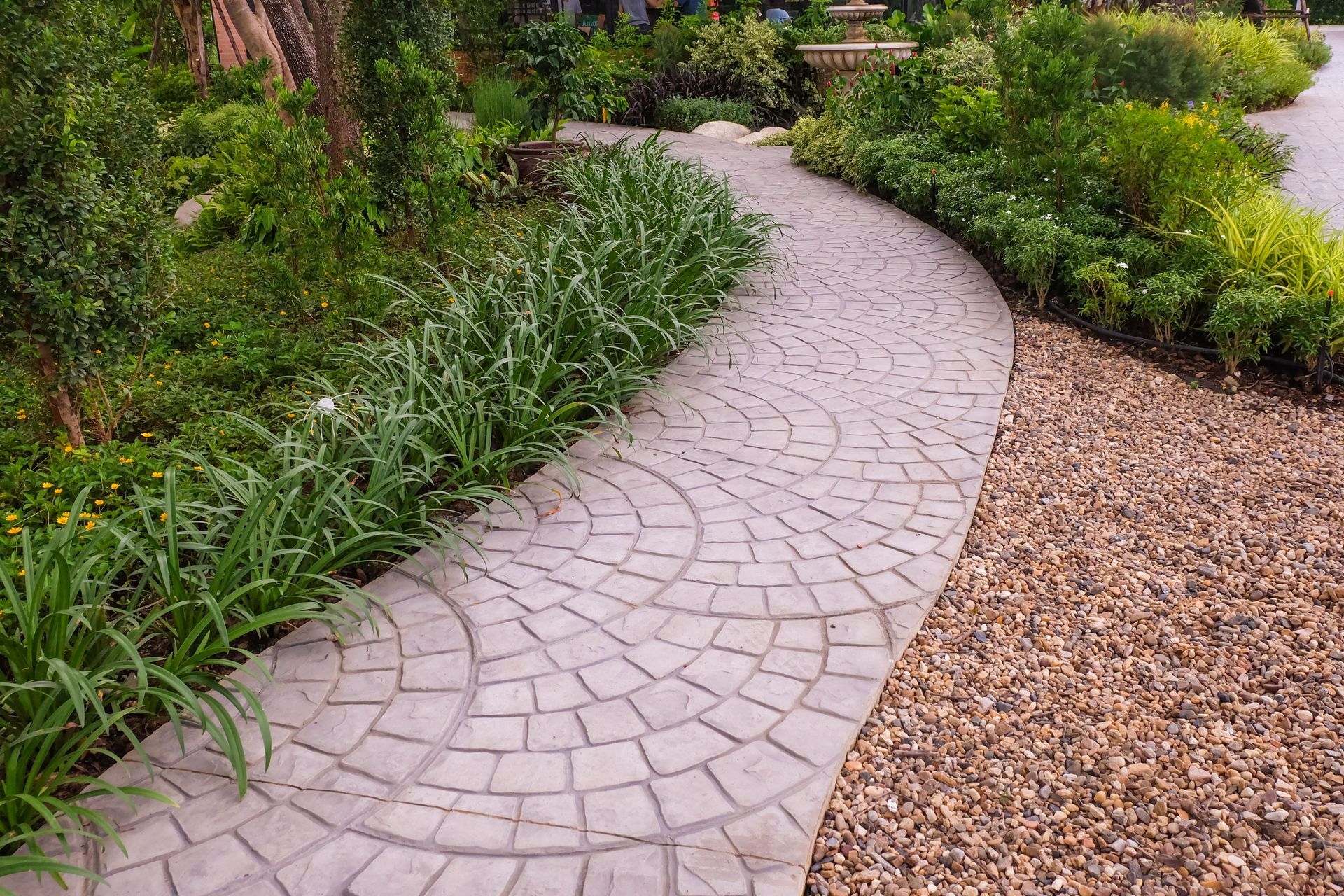
Transforming your outdoor living space with hardscaping is an exciting investment for any modern homeowner looking to upgrade their exterior design. Many people choose these elegant paving options because they seamlessly mimic the luxurious look of natural stone without the exorbitant financial costs. However, keeping these beautiful installations looking their absolute best requires a consistent and thoughtful approach to routine upkeep throughout the changing seasons. Fortunately, caring for stamped concrete is a relatively straightforward process that most homeowners can manage themselves with basic tools.
Sweep and Wash the Surface Regularly
The most foundational aspect of outdoor hardscape maintenance involves the frequent removal of loose dirt, abrasive sand, and scattered organic debris. Sweeping should ideally be completed at least once a week to prevent sharp particles from scratching and dulling the beautiful protective finish. A standard wide push broom equipped with soft synthetic bristles is the ideal tool for gently gathering up accumulating dust. Removing this debris promptly and efficiently prevents decaying organic materials from leaving highly unsightly blemishes spread across the ground.
In addition to your routine dry sweeping, establishing a gentle washing schedule is incredibly crucial for removing deeply embedded dirt. You can easily rinse off the vast majority of surface dust using a standard backyard garden hose equipped with a medium-pressure spray nozzle. For slightly dirtier areas that require more attention, mixing a mild liquid dish detergent with warm water provides a safe cleaning solution. Apply this gentle soapy mixture directly to the ground with a soft mop to meticulously wash away the accumulated grime.
Taking excellent care of your outdoor spaces during the autumn months requires extra vigilance regarding the heavy accumulation of fallen leaves. Certain types of tree foliage naturally release highly potent tannins when they become saturated with rainwater and begin the decaying process. These dark organic compounds can quickly seep into microscopic surface pores and leave stubborn spots across your beautifully colored pedestrian pathways. By sweeping your stamped concrete frequently during the fall, you proactively prevent these natural dyes from successfully penetrating the protective barrier.
Remove Stubborn Stains Promptly
Even with the most meticulous sweeping and careful washing routines in place, accidental chemical spills remain virtually inevitable occurrences. Dripping grease from outdoor family barbecues, leaking motor oil from vehicles, and spilled sugary beverages can pose significant threats to your immaculate hardscaping. The ultimate secret to successfully preventing permanent discoloration is diligently addressing these problematic spills the exact moment they unfortunately occur. Allowing harsh, acidic liquids to sit undisturbed gives them ample time to break down the critical surface seal and penetrate much deeper.
When unexpectedly dealing with freshly spilled oil or sticky grease spots, your immediate first line of defense should be applying absorbent powder. Generously covering the messy spill with baking soda, common household cornstarch, or traditional kitty litter significantly helps draw the liquid upward. Leave the absorbent granular material resting quietly on the affected area for several uninterrupted hours before thoroughly sweeping it completely away from your stamped concrete. After successfully lifting the vast bulk of the grease, meticulously wash the remaining oily residue with a strong degreasing soap.
Many concerned homeowners frequently wonder exactly how to best handle dark tire marks left behind on newly installed driveway surfaces. Exceptionally hot automotive tires can occasionally transfer soft rubber compounds directly onto the freshly sealed surface, leaving dark streaks that detract from the aesthetic. A specially formulated degreaser engineered exclusively for stamped concrete is usually the safest and most highly effective chemical solution for this specific problem. You should always proactively test any cleaning product on a small corner to guarantee it will not accidentally strip away the colorants.
Seal the Walkway and Patio Every Few Years
The single most critically important maintenance task for brilliantly preserving decorative flatwork is the periodic application of a high-quality topical sealer. This invisible layer dynamically acts as a sacrificial barrier against harmful ultraviolet solar rays, deep moisture penetration, and constant abrasive daily wear. As time relentlessly passes, the continuous exposure to blinding sunlight and harshly varying weather conditions naturally degrades this thin protective film. Whenever the lovely finish begins to look disappointingly dull or rainwater no longer actively beads up, it is time for a brand-new coat.
Establishing a truly proper and effective timeline for this vital resealing process is heavily dependent on your specific regional climate and daily traffic. High-traffic residential zones like expansive driveways and heavily used commercial entrance paths naturally require significantly more frequent attention than a secluded patio. According to This Old House, homeowners should proactively plan to apply a fresh layer of protective sealant to their paved walkways approximately every two to three years. Adhering strictly to this recommended schedule firmly ensures that the underlying stamped concrete remains completely shielded from ongoing environmental degradation.
When thoughtfully selecting a chemical product to protect your outdoor investments, you must choose a highly breathable formulation specifically designed for these applications. Solvent-based acrylic protective sealers are incredibly popular among professionals because they significantly enhance the underlying color vibrancy and provide a stunningly attractive shiny finish. Water-based chemical alternatives reliably offer a much more naturally subtle matte appearance while simultaneously remaining highly environmentally friendly and actively emitting far fewer noxious fumes. Whichever specific chemical formulation you ultimately choose to utilize for your stamped concrete, always apply the viscous liquid in multiple thin coats rather than applying a single thick layer.
Avoid Harsh Chemicals and Sharp Tools
During the freezing winter months, appropriately maintaining your beautiful decorative exterior paving requires completely avoiding all traditional deicing salts. Both sodium chloride and calcium chloride aggressively attack the vital protective sealants and eventually physically cause the actual underlying cement matrix to heavily spall. The continuous freeze-thaw weather cycles, severely exacerbated by these melting chemical agents, aggressively force expanding ice crystals directly into the incredibly delicate surface pores. Instead of relying on these horribly harmful salts, simply use plain sand to dynamically generate perfectly safe walking traction across terribly icy driveways.
Throughout the pleasantly warmer spring and summer seasons, standard lawn care practices can inadvertently inflict incredibly substantial cosmetic damage if you are not careful. Applying common granular lawn fertilizers too closely near the exposed edges of your beautiful patio can easily result in permanent rust-colored stains. Always use a handheld landscaping blower to immediately sweep any stray fertilizer pellets entirely off the decorative paving and directly back onto the grassy areas. Implementing these highly careful landscaping routines is just as critically vital to the overall surface longevity of your stamped concrete as your direct washing schedules.
Dedicating just a bit of your valuable time to sensible maintenance yields truly incredible financial dividends for the extended lifespan of your custom hardscaping. From executing simple weekly dry sweeping routines to scheduling occasional professional resealing applications, every proactive protective measure positively contributes to maintaining a pristine outdoor environment. Neglecting these fundamental homeownership responsibilities will inevitably lead to severely faded colors, rapid structural degradation, and shockingly costly future masonry repairs. By actively protecting your beautifully crafted
stamped concrete, you firmly guarantee that it remains a completely stunning architectural feature that significantly enhances your overall property value.
Whether you are dreaming of custom-built patios, privacy fences, welcoming porches, or expertly poured decorative concrete, we at Legacy Outdoor Pros LLC are ready to bring your ideal vision to life. As a premier outdoor contractor committed to top-tier craftsmanship, our experienced team takes immense pride in constructing structural and aesthetic enhancements that dramatically elevate your entire property. Contact us today to schedule a consultation, and let us build a breathtaking outdoor living area that your family will treasure for many years to come.